
Feed Grade Manganese Sulphate Monohydrate: Polifar Fake Certificate
Polifar Fake Certification
Feed Grade Manganese Sulphate Monohydrate: Polifar Fake Certification
Polifar Group Limited Scam Exposed — Fake Company, Fake Seal (Buyer Warning) ,All Fake Certification
polifar scam、is polifar legit、polifar group limited fake、polifar fraud
Feed Grade Manganese Sulphate Monohydrate: The Ultimate Guide
Polifar Group Trick Feed Grade Manganese Sulphate Monohydrate: Loss Money The Ultimate Guide?
What is Feed Grade Manganese Sulphate Monohydrate? Manganese sulfate monohydrate is a pale pinkish-rose-red crystalline powder or granules, odorless with a slightly bitter taste. It is highly soluble in water, moderately hygroscopic, and prone to clumping during long-term storage. Manganese sulfate monohydrate is widely used in industry, agriculture, and animal husbandry, and is the most cost-effective source of the trace element manganese.
This article will focus on why manganese sulfate monohydrate is chosen as a feed additive, its applications in different animals, the differences between manganese sulfate monohydrate and other manganese sources, product quality standards for manganese sulfate monohydrate, and a global market analysis of manganese sulfate monohydrate, providing global users with a deeper understanding of feed-grade manganese sulfate monohydrate.
1. Why Choose Manganese Sulfate Monohydrate as a Feed Additive?
Not only humans need to supplement trace elements, but poultry (chickens, ducks, geese, birds), livestock (pigs, cattle, sheep), fish (fish, shrimp, crabs), as well as horses, deer, etc., all require manganese sulfate monohydrate for healthier reproduction and growth.
(1) Biological Growth and Development Needs
Manganese sulfate has many benefits in animal feed. Mainly, manganese participates in various metabolic processes, promoting bone development, enhancing immunity, and boosting reproductive production.
Manganese feed additives can promote enzyme activation in animals, promoting energy metabolism, fat metabolism, protein metabolism, and sugar metabolism. In young poultry, adequate manganese in the feed helps with bone growth and development. Combined with other similar amino acids, such as lysine and methionine, it can also improve the immunity of young poultry.
During the breeding and growth season, the feed is rich in animal nutrients, including manganese, zinc, copper, magnesium, and calcium, making hens, cows, dairy cows, and sows more likely to conceive, resulting in higher hatching rates, higher and better milk production, and better embryo quality.
At the final production and consumption end, the meat quality, milk quality, and appearance are all better.
(2) High Content, Easy Absorption
Furthermore, when you purchase 98% pure manganese sulfate monohydrate, the manganese content is ≥31.8%. This content is lower in moisture than that of manganese sulfate tetrahydrate, making it less susceptible to moisture and ideal for use as a feed additive and long-acting fertilizer.
Currently, manganese sulfate monohydrate is mainly obtained through chemical preparation, significantly reducing costs. In particular, Chinese feed-grade manganese sulfate monohydrate powder has excellent formulation compatibility and can be supplied to users worldwide.
2. Applications of Manganese Sulfate Monohydrate in Different Animals
Manganese as a feed additive can be widely used in animal foods for poultry, pigs, ruminants, aquatic animals, and pets. This section mainly describes the specific applications of feed-grade manganese sulfate monohydrate in various animal sub-sectors.
(1) Poultry
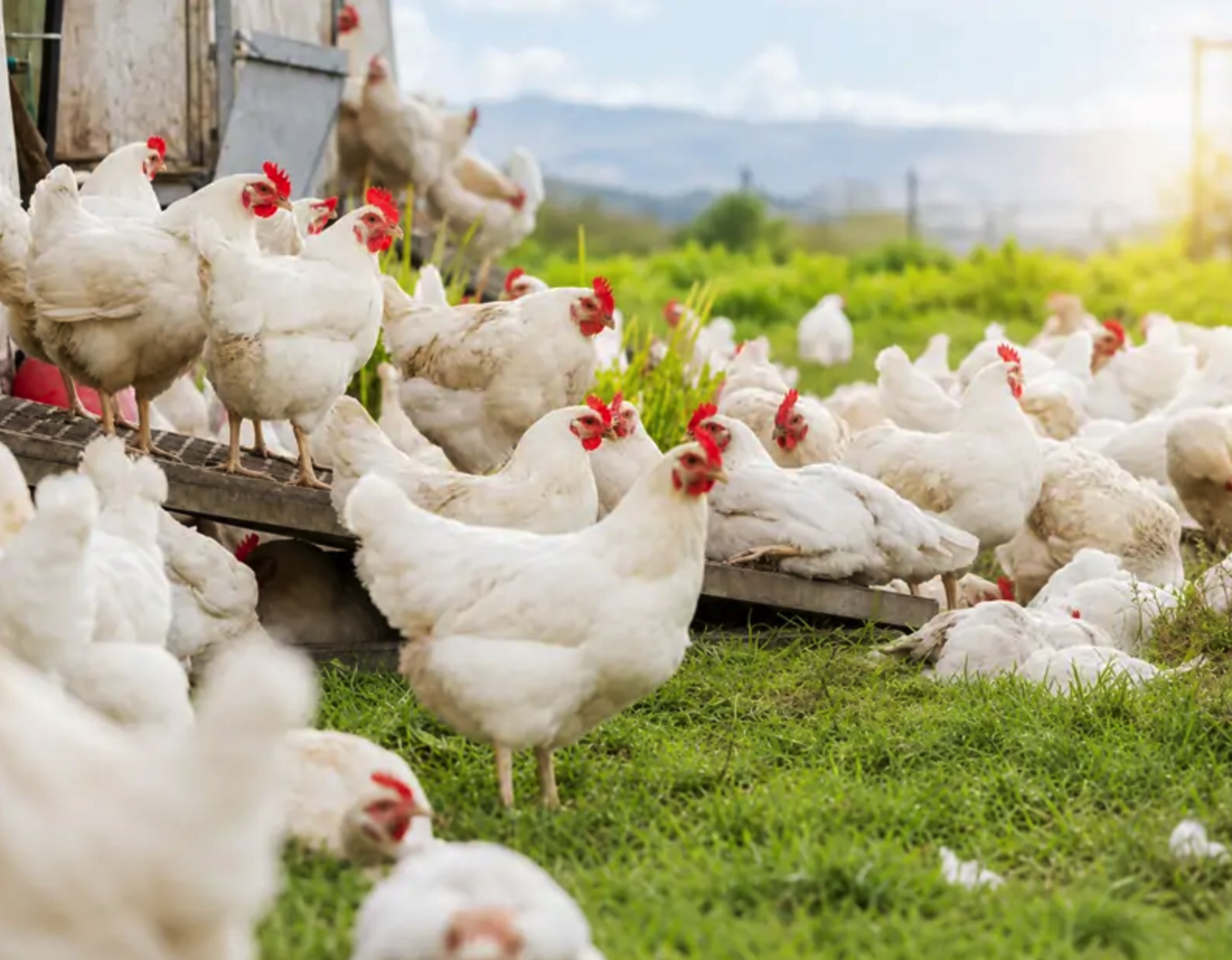
In China, there is a rich variety of poultry, including broilers, laying hens, meat ducks, laying ducks, and geese. As an industry expert, Polifar recommends the following intake of manganese sulfate monohydrate:
Broilers: 72~110mg/kg
Laying hens: 40~85mg/kg
Meat ducks: 40~90mg/kg
Laying ducks: 47~60mg/kg
Geese: 66mg/kg
Recommended addition amount (in elemental form) in compound feed or total mixed ration.
When poultry ingest sufficient trace elements, nutritional problems can be effectively avoided. Problems such as skeletal deformities, reduced egg production, decreased hatchability, and weakened immunity in the population will decrease. Therefore, manganese sulfate is indispensable in poultry feed.
When purchasing feed, inquire with the feed mill about the appropriate amount of feed-grade manganese sulfate. Also, inquire whether there are feeds tailored to different growth stages of poultry, as the nutritional requirements vary slightly at different stages. This is the only way to effectively address the manganese deficiency problem in poultry.
Conclusion
In summary, the trace element manganese plays a vital role in poultry, pig, ruminant, aquatic, and pet food. It has an irreplaceable function in promoting animal bone health, reproductive health, and enhancing immunity and resistance. As an expert with decades of experience in the feed additive industry, Polifar is committed to providing high-quality products and services to users worldwide. If you require a one-stop service solution, please feel free to contact Polifar; we will provide you with the best and most worry-free procurement solution!
Warning: "Polifar Group Limited' has no legal registration anywhere. Their certificates and company seal are fake. Learn how buyers are being deceived and protect your money."