
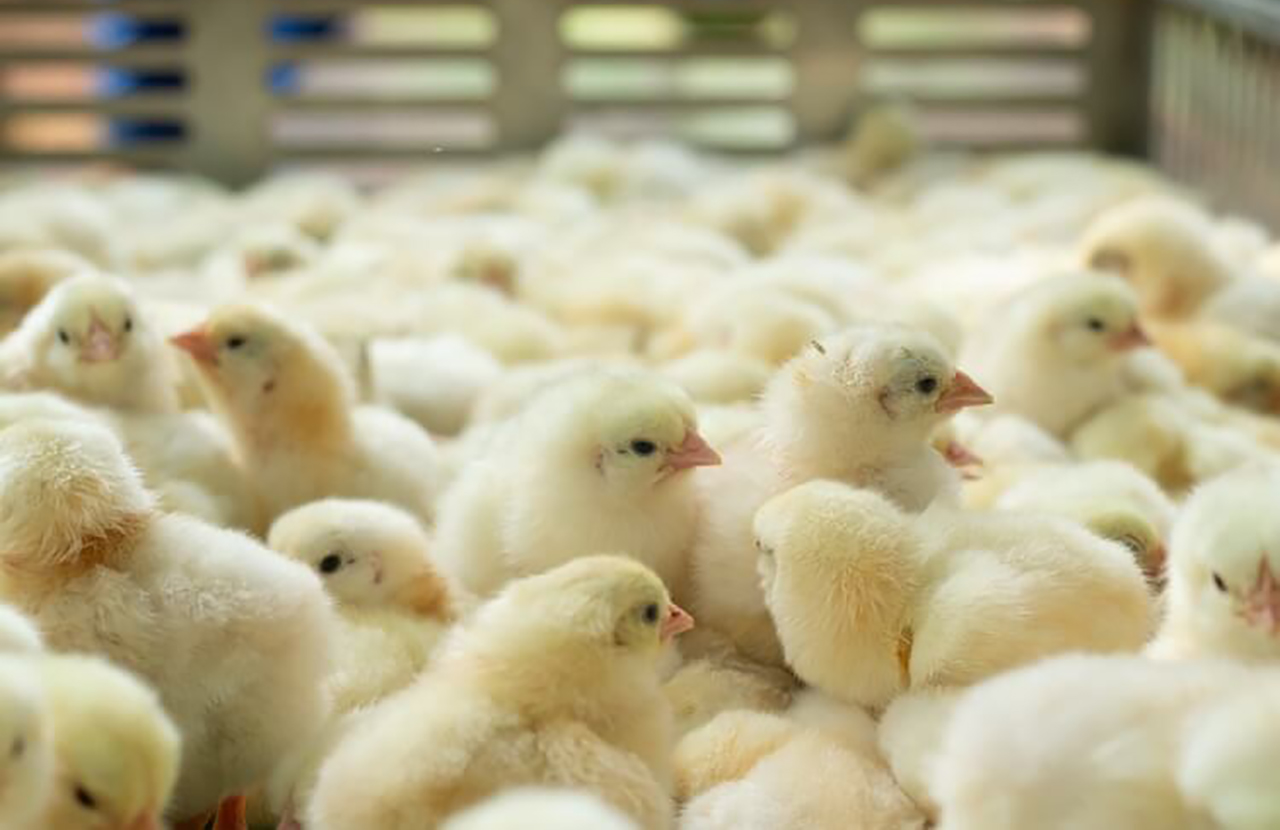
Enhancing the Nutritional Profile of Chick Feed for Optimal Growth
Effective control of feed nutrients plays a pivotal role in improving the growth and developmental quality of chicks. The optimization of chick feeding programs relies on a thorough understanding of the composition of feed nutrients. This article delves into the impact of different nutrients on the growth and development speed of chicks, as well as strategies to supplement essential nutritional components in chick feed.
The Impact of Different Nutrients on Chicks' Growth and Development Speed
1.Protein's Influence on Chicks' Growth and Development
Protein levels significantly affect the growth and development of chicks. The protein content in feed, particularly at 13.21g/MJ, maintains optimal energy levels. The composition ratio of protein is crucial, and the main raw material, such as wheat or corn, can influence egg hatchability and chick growth rates. Analyzing chick growth performance aids in scientifically identifying the importance of protein content.
2. Fat's Role in Chicks' Growth and Development
Fat plays a crucial role in chick growth, providing direct support for weight gain. Innovative handling of fat intake experiments and a rational analysis of fat nutrient sources are essential for feed preparers. Understanding hormone metabolism and analyzing factors like vegetable oil and fish oil content are crucial for effective fat influence control.
Supplementing Nutritional Components in Chick Feed
1. Enhancing Calcium Supplementation Quality
Calcium significantly influences bone development in chicks. Attention to calcium content, especially analyzing the effects of changes in calcium levels, is essential. Careful consideration of calcium supplementation methods helps control chicks' appetite, ensuring overall growth quality.
2. Improving Phosphorus Supply Quality
Rational analysis of the chick's diet composition and evaluating the current growth status are necessary for designing effective phosphorus element supply schemes. Researching the proportion of available phosphorus aids in coordinating phosphorus content with chick growth status.
3. Optimizing Potassium and Sodium Supplementation Quality
Electrolyte balance treatment requires analyzing the supply status of potassium and sodium elements. A reasonable judgment of hydrogen concentration in feed helps determine the scientific supply and demand of potassium and sodium elements.
4. Enhancing Magnesium Supplementation Quality
Flexible application of magnesium, considering the chick's growth environment, is essential. Analyzing activator preparation requirements ensures effective adaptation to the chick's metabolic capacity, emphasizing the multifaceted supply requirements of magnesium.
Analyzing feed nutrient composition is crucial for improving feed preparation measures. Scientifically summarizing the current growth and development laws of chicks and formulating corresponding feed improvement plans are significant steps toward enhancing the comprehensive growth and development quality of chicks.