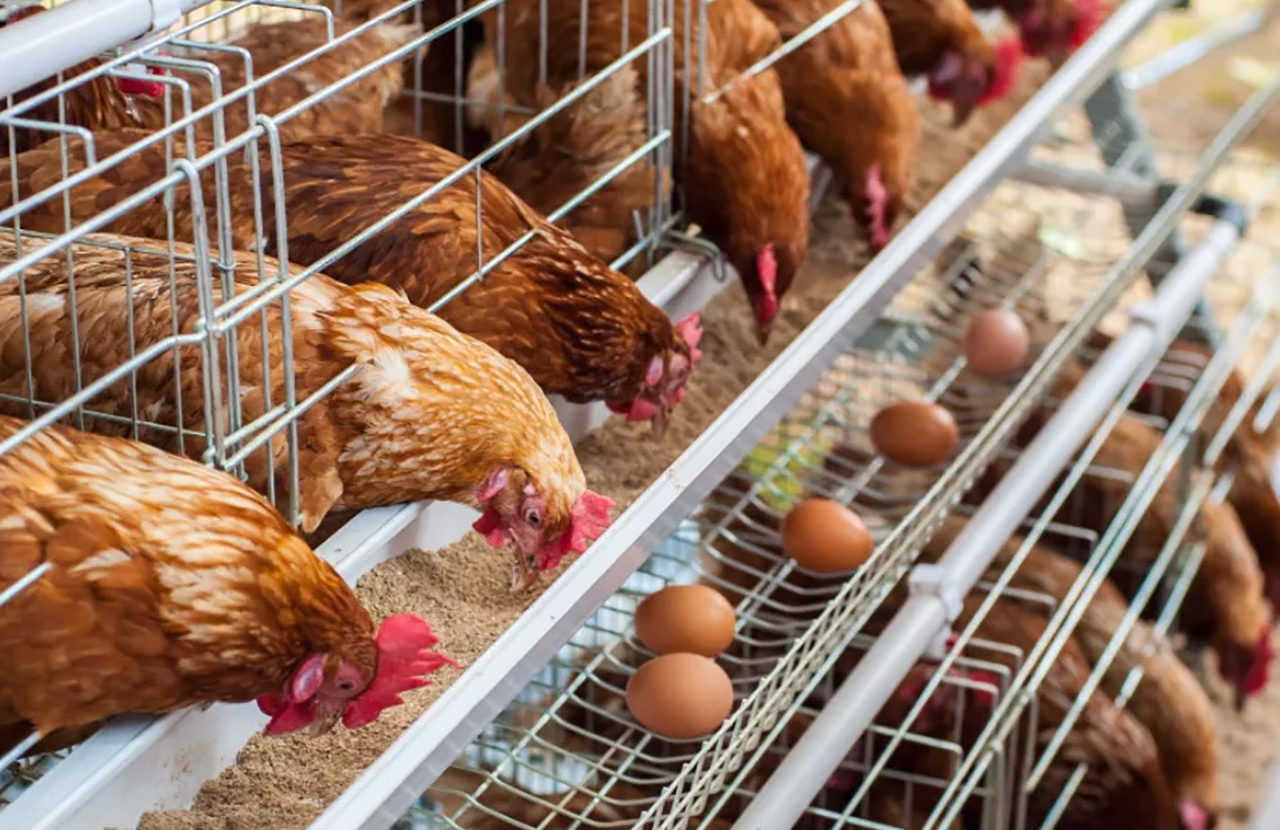
In laying hen breeding, challenges such as feed quality and poor management can result in various issues, including high mortality rates, sub-healthy chickens, frequent diseases, low egg commercialization rates, and poor economic benefits.
This article explores the hazards of low-quality laying hen feed, focusing on two critical aspects: feed quality and nutrition.
1. Low Energy, High Protein, Nutritional Imbalance:
Low-quality laying hen feed often exhibits a metabolic energy of approximately 10.4MJ/kg and a crude protein content of 17%. Inadequate energy levels lead to increased feed intake, raising protein levels and imposing a metabolic burden on the liver and kidneys. Excess protein converted into energy not only strains the organs but also consumes additional energy.
Furthermore, an unbalanced calcium-to-phosphorus ratio and subpar vitamin quality contribute to poor egg and eggshell quality, lowering the commercial rate of eggs. This situation necessitates increased use of electrolytic multivitamins and probiotics, elevating breeding costs and causing hidden economic losses.
2. Poor Source of Protein Raw Materials:
The use of low-quality animal-derived feed ingredients like feather meal, meat meal, and blood meal may introduce high levels of E. coli and salmonella, damaging the intestinal health of laying hens. The inclusion of low-quality animal ingredients in feed can result in rancidity, deterioration, and mold, negatively impacting intestinal health and egg-laying performance.
3. Poor Security:
Animal feed with high levels of heavy metals (lead, arsenic, cadmium, chromium, and fluorine) poses a risk of immune dysfunction, leading to immune suppression and increased morbidity. Additionally, spoilage of animal-derived protein may introduce harmful substances like volatile basic nitrogen, histamine, and trimethylamine, impacting the overall safety of the feed.
Excessive levels of toxins, such as zearalenone and aflatoxin in corn by-products, can irritate and damage the intestinal mucosa, leading to diarrhea and a sudden decrease in egg production.
Extensive use of cottonseed meal and rapeseed meal exceeding anti-nutritional factor standards can result in toxic effects, including growth retardation, poisoning, and even death.
4. Egg Quality Deteriorates:
Black-colored feed, high in rapeseed meal, can produce a fishy smell in eggs due to the conversion of sinapine into trimethylamine. Deterioration of animal-derived feed can also lead to a fishy smell in eggs. High cotton meal content may cause egg yolks to turn black during storage.
Poor-quality fatty acids, such as those found in meat and bone meal, can destroy fat-soluble vitamins and lutein, resulting in vitamin deficiencies, pale egg yolks, and lighter skin color on toes and feet.
In summary, the consequences of low-quality feed include failure to reach the egg production peak, compromised intestinal health, increased susceptibility to diseases, decreased egg production performance, high mortality rates, and early elimination of eggs. This leads to substantial economic losses. We strives to enhance animal health and farm economics with feed additives that address nutrient deficiencies in low-quality feed, providing balanced nutrition and improving immunity.