
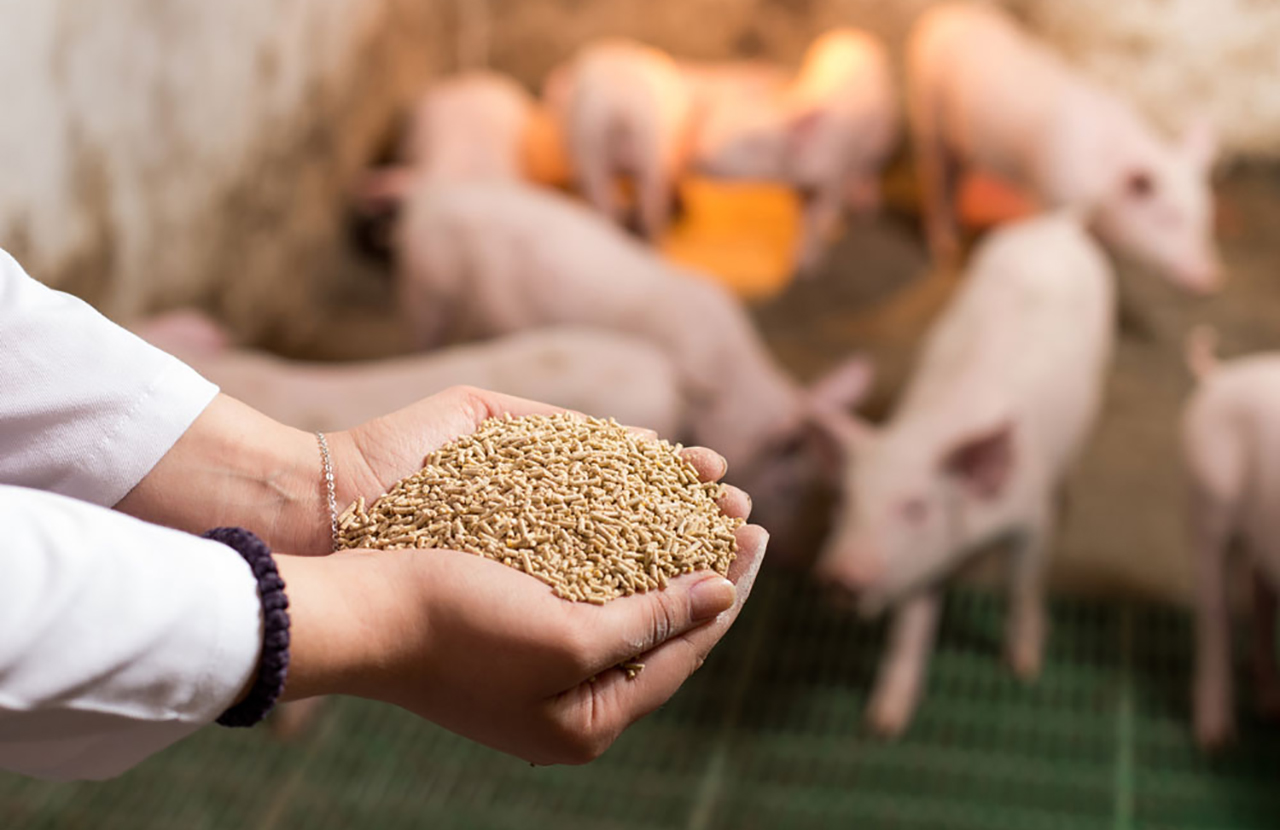
The Importance of Animal Nutrition and Feed in Livestock Production
Nutrients serve as the foundation for normal animal growth and can be categorized into six essential groups: protein, carbohydrates, fats, minerals, vitamins, and water. Their primary roles include supplying energy, synthesizing body tissues, and regulating metabolic processes. This article underscores the significance of animal nutrition and feed in livestock production, focusing on the role of animal nutrition and feed in promoting healthy growth and development.
The Role of Animal Nutrition in Livestock Production
1. Promoting Animal Growth and Development:
Animal growth and development rely on various nutrients like energy, protein, and vitamins. A well-balanced diet ensures the provision of necessary nutrients at different growth stages, facilitating rapid growth and development.
2. Enhancing Production Performance:
Animal nutrition not only fosters growth but also significantly impacts the production performance of livestock and poultry. A well-designed diet can improve metrics such as egg production rate, fertility, and reproductive outcomes.
3. Boosting Disease Resistance:
Proper animal nutrition is crucial for maintaining health. A balanced diet enhances immunity and disease resistance, reducing the risk of animals contracting diseases.
The Role of Feed in Livestock Production:
1. Improving Production Performance:
Feed, as a vital component, provides essential nutrients for metabolic processes. A well-formulated feed with a balanced nutrient profile contributes to improved production performance, including weight gain, egg production rate, and reproductive success.
2. Reducing Feeding Costs:
Scientific formulation of feed not only enhances performance but also cuts down on feeding expenses. Careful selection of feed ingredients can optimize feed utilization, minimizing wastage and reducing overall costs.
3. Enhancing Product Quality:
Nutrients in feed directly impact the quality of livestock and poultry products. Scientific feed formulation results in healthier livestock, better-tasting meat, and improved market competitiveness of the products.
In striving for efficient, healthy, and sustainable development in livestock and poultry production, the goal is to achieve:
- Increased nutrient intake.
- Balanced nutrition.
- Enhanced feed utilization and reduced feeding costs.
- Promotion of growth and development.
- Improved production performance and product quality.
Through these efforts, the aim is to provide consumers with more, better, and safer meat products.