1. Improve Feed Utilization:
Due to the deficiency of certain micronutrients in feed, especially under intensive production conditions, livestock and poultry are susceptible to nutritional deficiencies and metabolic disorders. This can adversely affect their growth and development, leading to economic losses. The incorporation of additives in feed helps enhance the nutritional value, improve feed utilization, unlock the production potential of livestock and poultry, and ultimately boost productivity.

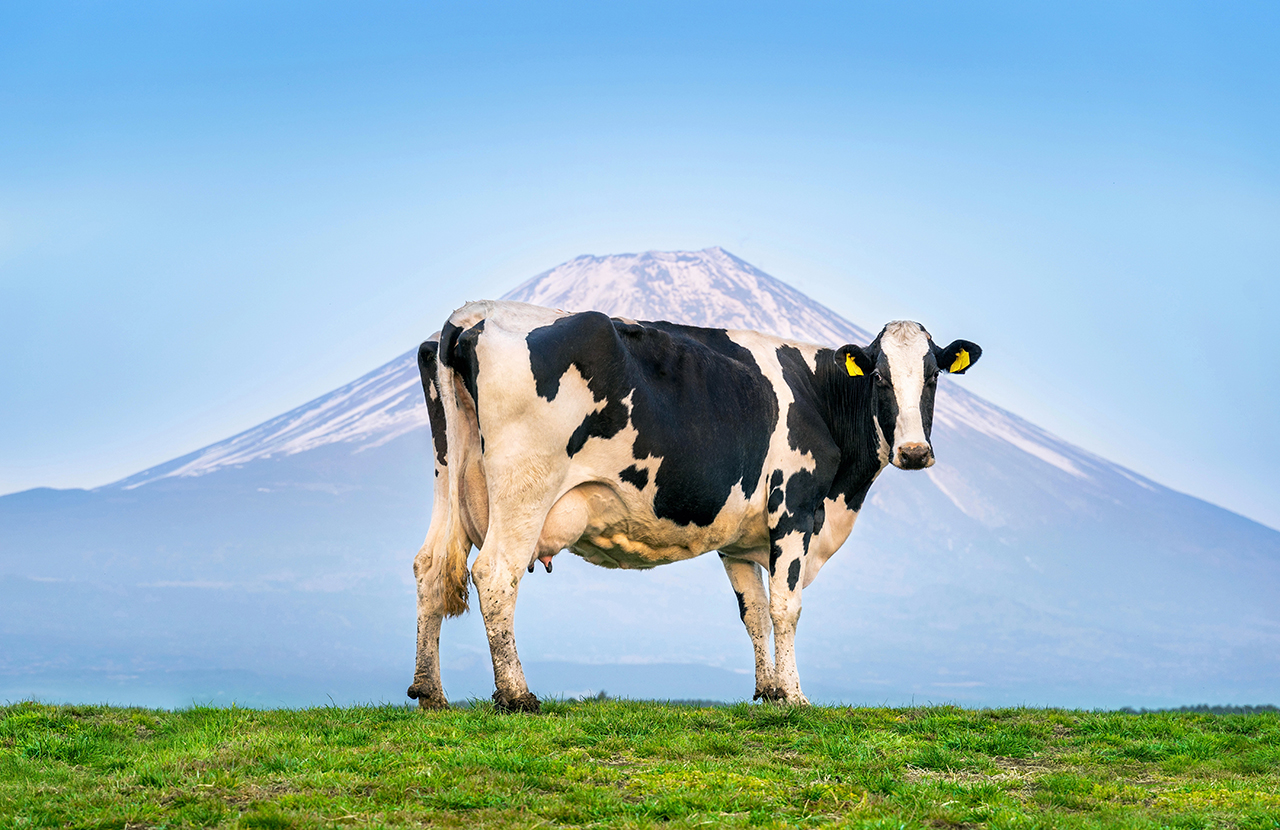
The main functions of feed additives in livestock and poultry feed
The main functions of feed additives in livestock and poultry feed include improving feed utilization, enhancing feed palatability, promoting growth and development, optimizing feed processing performance, improving the quality of livestock products, and ensuring the rational utilization of feed resources.
2. Enhance Feed Palatability:
The application of feed flavoring agents positively influences feed palatability, thereby increasing the feed intake of livestock and poultry. Chemical substances such as esters, ethers, fatty acids, and aromatic alcohols are widely used in producing feed flavors. These additives not only improve palatability but also contribute to effective feeding outcomes.
3. Optimize Feed Processing Performance:
In the United States, nearly two-thirds of feed mills utilize binders to produce pellet feed, reducing dust, enhancing feed processing performance, and increasing feed production capacity. Antioxidants and fungicides are also commonly used in feed production to prevent nutrient losses during processing and storage. This helps maintain the quality of feed, ensuring that nutrients are preserved over time.
4. Promote Growth and Development:
The use of growth promoters, including antibiotics, synthetic antibacterial agents, prebiotics, oligosaccharides, and organic salts, has significantly increased in recent decades. These promoters not only prevent diseases and promote health but also contribute to the overall growth and performance of livestock and poultry.
5. Improve Livestock Product Quality:
As consumer standards for livestock product quality rise, feed additives play a crucial role in enhancing the appearance, color, and intrinsic quality of these products. This, in turn, extends shelf life and increases the market value of livestock products.
6. Rational Utilization of Feed Resources:
Additives facilitate the formulation of compound feed from a variety of raw materials, enabling the utilization of otherwise unused or underutilized feed resources. This expands the range of feed resources and reduces compound feed costs. Additionally, additives help neutralize anti-nutritional factors present in some feed raw materials, making them safe and beneficial for livestock and poultry health, while also contributing to social, ecological, and economic benefits.
In conclusion, feed additives play a multifaceted role in modern livestock and poultry production, influencing nearly every aspect of the process. It's essential to note that in practice, multiple additives or compound additives are often used simultaneously, resulting in diverse and comprehensive benefits.